
Th12
Chưa phân loại
Ceramic Fiber Boards
Ceramic Fiber Boards: Comprehensive Guide, Properties, Benefits & Industrial Uses
Ceramic fiber boards are among the most widely used high-temperature insulation materials in modern industry. Known for their excellent thermal stability, low heat conductivity, high mechanical strength, and exceptional durability, these boards are a critical component in furnaces, kilns, boilers, and fireproofing systems across multiple manufacturing sectors.
Whether you operate a metalworking facility, build heat-treatment equipment, or require dependable fire protection solutions, understanding ceramic fiber boards can help you achieve better performance, increased energy efficiency, and longer equipment lifespan.
This comprehensive guide covers everything you need to know—from material composition and technical properties to key benefits, installation methods, and major industrial applications.

1. What Are Ceramic Fiber Boards?
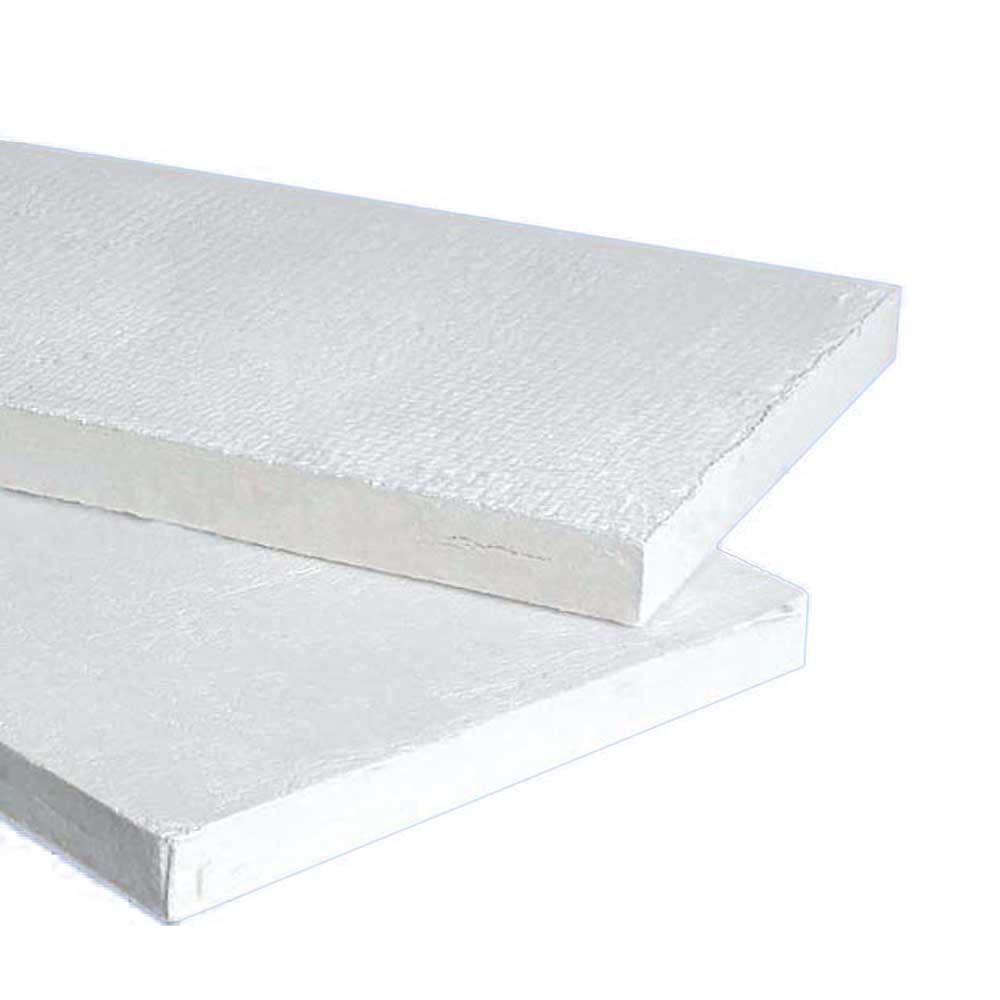
Ceramic fiber boards are rigid, vacuum-formed insulation panels manufactured from high-purity alumina-silica ceramic fibers, combined with organic and inorganic binders. These materials are mixed, formed under vacuum, and then dried to create a dense, durable, and dimensionally stable insulation board.
Core Characteristics of Ceramic Fiber Boards
-
Rated for continuous use temperatures between 1260°C (2300°F) and 1600°C (2912°F)
-
Excellent thermal resistance even in rapid temperature fluctuations
-
Non-combustible and resistant to thermal shock
-
Lightweight and easy to cut or machine
Their ability to retain strength at high temperatures makes ceramic fiber boards indispensable in harsh thermal environments.
2. How Ceramic Fiber Boards Are Made (Vacuum Forming Process)
Ceramic fiber boards are produced in several stages:
Step 1: Fiber Preparation
High-purity alumina-silica fibers are manufactured through a melting and blowing process.
Step 2: Slurry Mixing
Fibers are mixed with fillers, binders, and water to form a homogeneous slurry.
Step 3: Vacuum Forming
The slurry is poured into molds, and water is removed using vacuum pressure—forming a dense structure.
Step 4: Drying & Curing
Boards are dried at controlled temperatures to strengthen the final product.
Step 5: Trimming & Finishing
Boards are cut to desired thicknesses and sizes, ensuring dimensional precision.
This process produces boards with consistent density, low shrinkage, and uniform thermal performance.
3. Key Technical Properties of Ceramic Fiber Boards
Below is an overview of the most important performance characteristics that define the quality and suitability of ceramic fiber boards.
3.1 Temperature Resistance
-
Standard-grade: 1260°C (2300°F)
-
High-alumina grade: 1400°C–1500°C (2550–2732°F)
-
Zirconia-enhanced grade: Up to 1600°C (2912°F)
3.2 Low Thermal Conductivity
Ceramic fiber boards offer superior insulation thanks to their low thermal conductivity:
-
0.08 – 0.16 W/m·K depending on density and temperature
3.3 Mechanical Strength
They maintain structural integrity under thermal stress and pressure.
3.4 Dimensional Stability
Minimal shrinkage during prolonged heat exposure.
3.5 Chemical Resistance
-
Resistant to most acids and alkalis
-
Not affected by oils or solvents
-
Vulnerable only to phosphoric acid, hydrofluoric acid, and strong bases
3.6 Non-Flammable & Non-Toxic
Ceramic fibers are naturally non-combustible and emit no harmful gases.
4. Advantages of Using Ceramic Fiber Boards
Ceramic fiber boards bring a range of operational advantages to industrial environments. Below are the most notable benefits:
4.1 Exceptional Insulation Performance
-
Retains heat inside furnaces and kilns
-
Minimizes thermal loss
-
Ensures stable operating temperatures
4.2 Energy Efficiency & Cost Savings
By reducing heat loss, businesses save fuel and energy—leading to lower operational costs.
4.3 High Durability in Extreme Conditions
Ceramic fiber boards are highly resistant to:
-
Thermal shock
-
Mechanical vibration
-
Rapid heating and cooling cycles
4.4 Lightweight and Easy to Install
Compared with refractory bricks, ceramic fiber boards:
-
Reduce equipment weight
-
Speed up installation times
-
Allow easier maintenance
4.5 Customizable & Machinable
Boards can be:
-
Cut with saws
-
Drilled
-
Shaped to fit unusual geometries
4.6 Enhanced Safety
Ceramic fiber boards do not burn or melt and provide reliable fire protection in high-risk areas.
5. Industrial Applications of Ceramic Fiber Boards
Ceramic fiber boards are used across dozens of industries—wherever high temperatures and insulation are required.
5.1 Metallurgy & Steel Production
-
Induction furnace insulation
-
Ladle covers
-
Tundish linings
-
Tooling insulation
-
Heat shields for casting systems
5.2 Ceramics, Glass, and Pottery Industry
-
Kiln linings and furniture
-
Firing chambers
-
Insulation back-ups for ceramic kilns
5.3 Petrochemical & Refining
-
Reforming furnaces
-
Cracking units
-
Burner blocks
-
Heat exchangers
5.4 Power Generation
-
Boiler insulation
-
Incinerators
-
Turbine insulation panels
5.5 Heat Treatment & Thermal Engineering
-
Heat treatment furnaces
-
Laboratory furnaces
-
Hot gas ducts
5.6 Construction & Fire Protection
-
Fire-rated doors
-
Fireproof panels
-
Smoke barriers
-
High-temperature wall insulation
5.7 Automotive & Aerospace
-
Insulation for exhaust systems
-
Heat shields
-
High-temperature testing chambers
6. Technical Specifications (Typical Values)
| Property | Typical Value |
|---|---|
| Density | 200–400 kg/m³ |
| Max Service Temperature | 1260°C–1600°C |
| Thermal Conductivity | 0.08–0.16 W/m·K |
| Compressive Strength | 0.5–1.5 MPa |
| Color | White or Off-White |
| Organic Content | < 10% |
| Moisture Absorption | < 1% |
Specifications vary by manufacturer and product grade.
7. Installation Guidelines for Optimal Performance
To achieve the best results from ceramic fiber boards, proper installation is essential.
7.1 Cutting and Shaping
-
Use sharp knives, saws, or CNC equipment
-
Cut slowly to reduce dust generation
7.2 Mounting
-
Stainless steel anchors or screws are recommended
-
Avoid overtightening to prevent board cracking
7.3 Surface Treatment
-
Apply rigidizers or hardeners for enhanced surface durability
-
Use high-temperature adhesives where necessary
7.4 Sealing Joints
-
Fill gaps with ceramic fiber blankets or cement
-
Prevents heat leakage and airflow erosion
7.5 Safety Precautions
-
Wear gloves, eye protection, and dust masks
-
Clean work areas regularly
8. Why Ceramic Fiber Boards Are a Superior Choice for High-Temperature Insulation
Ceramic fiber boards combine the advantages of lightweight construction, high thermal resistance, and durability. Compared to traditional refractory bricks or castables, they offer:
-
Faster installation
-
Lower heating times
-
Reduced fuel consumption
-
Longer service life
-
Easier maintenance
For industries aiming to improve efficiency and reduce operational costs, ceramic fiber boards are an excellent long-term investment.
9. Why Should You Choose to Buy Ceramic Fiber Boards from MINH LONG VIETNAM TRADING & SERVICE CO., LTD?
-
Stable supply, officially imported products
-
Large warehouse, always available in high quantities
-
Provides CO – CQ documents and fire safety certificates
-
Quick quotations – 24/7 technical support
-
Nationwide delivery
-
Distributor discounts for bulk orders and long-term partners
-
A technical team with in-depth knowledge of refractory and heat-resistant materials
📞 Hotline: 0359722895
🌐 Website: khothungrac.vn
🌐 Website: vattuvanphong.vn
📘 Facebook: S2-Ceramic
✉️ Email: minhlongvina01@gmail.com
Conclusion
Ceramic fiber boards are a vital solution for thermal insulation, fire protection, and energy optimization in a wide array of high-temperature applications. Their combination of heat resistance, mechanical strength, and versatility makes them one of the most reliable materials in industrial thermal engineering.
Whether you are looking to upgrade a furnace lining, improve kiln performance, or integrate high-efficiency insulation into your manufacturing system, ceramic fiber boards provide unmatched value and durability.
